It is the question we are asked more than any other: should this go by air or by sea? The honest answer is that it depends on four things, and cost is only one of them.
1. Transit time
Air freight from Asia into Nairobi typically lands within days. Sea freight into Mombasa, plus inland haulage, realistically runs several weeks door to door once you account for sailing schedules, port dwell and clearance. If your stock-out date is inside a month, sea freight is often not actually an option regardless of what it costs.
2. Value density
Freight is charged on weight or volume, whichever is greater. That means the real question is what a kilo of your cargo is worth. High-value, low-weight goods — electronics, components, pharmaceuticals, samples — absorb air freight easily. Low-value, bulky goods — furniture, packaging materials, raw inputs — do not.
A useful rule of thumb: if air freight is more than about 15–20% of the landed value of the goods, look hard at whether sea freight and better forecasting would serve you better.
3. Cash flow
Sea freight is cheaper per unit but ties your capital up in transit for weeks, and it forces larger order quantities to be economic. Air freight costs more per unit but lets you order smaller and more often. For a growing SME, the cheaper freight rate is sometimes the more expensive business decision.
4. The nature of the cargo
Some goods simply cannot fly — certain chemicals, aerosols, large machinery. Others should not sail: anything temperature-sensitive or with a short shelf life. Dangerous goods classification affects both modes and needs to be established before you book, not after.
How we help you decide
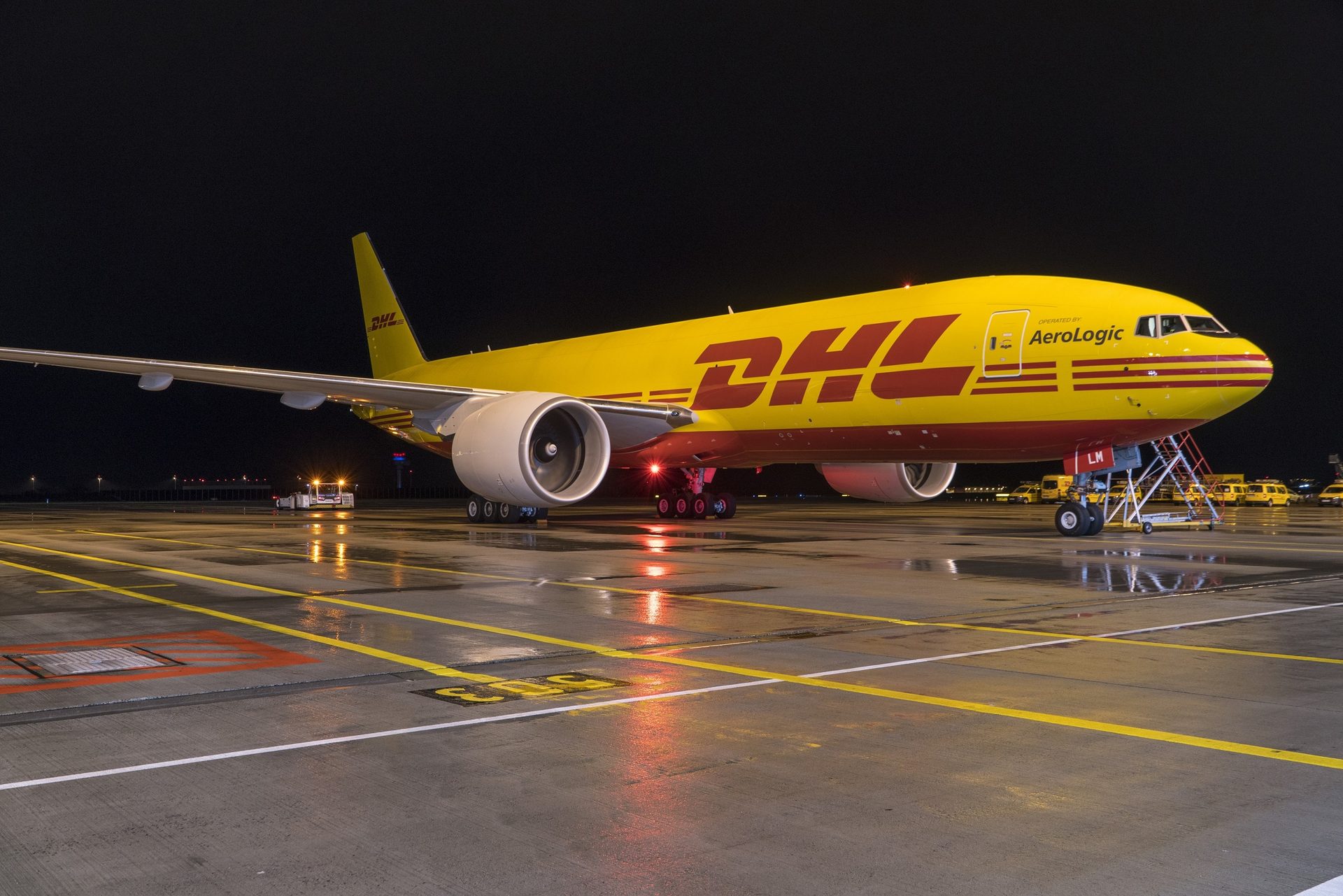
Whether your needs are domestic or international, our air transport services include Priority Air, Consolidated Air and Worldwide Charters — and our sea freight team provides Total Service Coverage, monitoring the movement of your product while also handling customs clearance and tariff classification.
Send us the commercial invoice, the dimensions and the date you need the goods on your shelf. We will quote both modes side by side, with realistic transit times, so you can see the trade-off in numbers rather than in theory.